
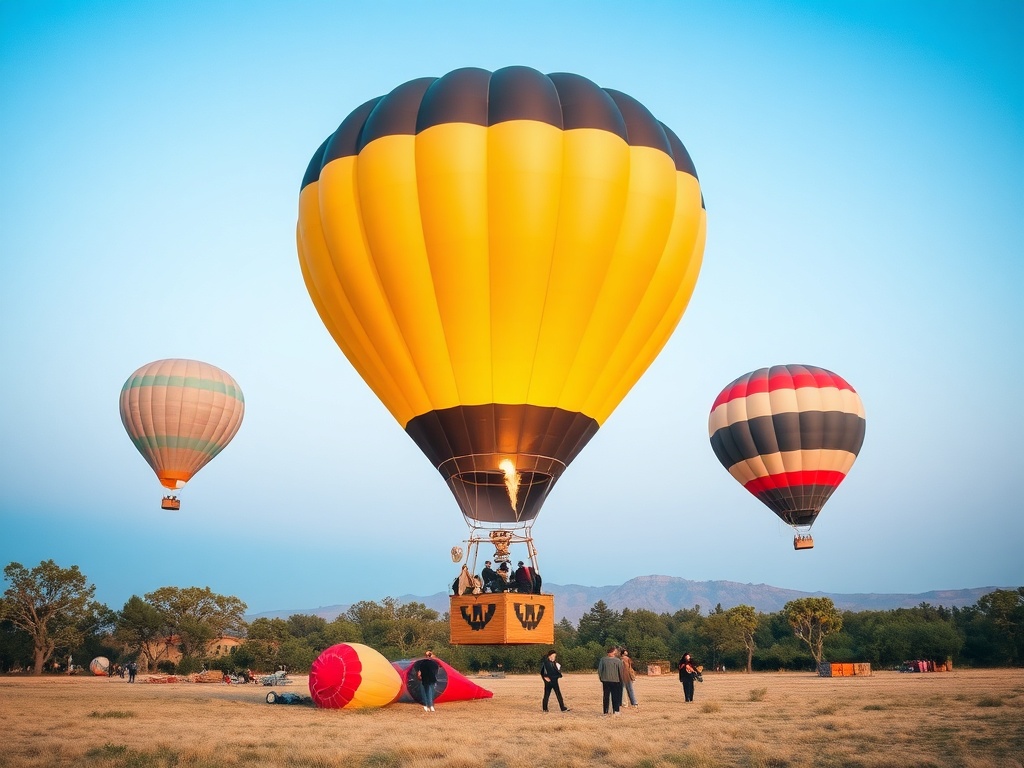

Prepare for Takeoff: Essentials You Can’t Forget
Your first hot air balloon flight is not just a ride—it’s an unforgettable aerial adventure. While the experience is serene and magical, being well-prepared will make it even smoother. Here’s exactly what to pack to ensure comfort, safety, and a touch of wonder.
Clothing: Dress for the Sky
Even though you’ll be floating gently above the ground, temperatures can vary. Layering is key to staying comfortable throughout the flight.
- Lightweight jacket or windbreaker – It can be chilly during early morning or evening flights.
- Comfortable pants – Avoid skirts or dresses; you’ll be climbing into the basket.
- Closed-toe shoes – Fields can be uneven or damp, so sandals are a no-go.
- Hat or cap – The burners above can radiate heat; a hat protects your head and adds style.
Personal Items to Bring Along
While there’s limited space in the balloon basket, a few thoughtful items can enhance your flight experience.
- Sunglasses – Protect your eyes from the morning sun and enjoy the views clearly.
- Water bottle – Stay hydrated, especially if you’re flying in warmer climates.
- Compact camera or smartphone – Capture those jaw-dropping landscapes from above. Just make sure it’s securely strapped or pocketed!
- Small backpack or waist bag – Keep everything organized and easy to carry.
Don’t Forget These Extras
Some items may not seem essential until you’re up in the sky. These small additions can make a big difference:
- Gloves – For early morning flights, your hands will thank you.
- Motion sickness remedies – While ballooning is typically smooth, it’s better to be safe than sorry.
- Lip balm and sunscreen – The sun at altitude can be surprisingly strong.
What You Can Leave Behind
Remember, space in the basket is limited. Avoid bringing:
- Bulky bags or luggage
- Umbrellas or large accessories
- Unsecured valuables
Less is more when floating thousands of feet above the ground.
How the Morning Actually Unfolds
Knowing the timeline helps you decide what really needs to be in your pockets. Almost everywhere, a hotel pickup between 4:30 and 5:30 am is the rule, because balloons fly in the calm, cool air of the first hour after sunrise, before the sun heats the ground and stirs up thermals. Expect a short drive to a launch field, a wait of twenty to forty minutes while the crew unrolls the envelope and inflates it with a fan and then the burners, and a flight of 45 to 75 minutes. Most passengers are back at the hotel before 9 am, which means you will not need lunch, a change of clothes or a heavy day pack.
The temperature question confuses many first-timers. Balloons rarely climb more than 300 to 1,000 meters above the ground, so the air is only a few degrees cooler than at the field, and the burner overhead throws down noticeable warmth every time the pilot fires it. The real chill comes on the ground before dawn, standing still on wet grass at 5 am, and again in the shade of a valley after landing. That is why the layers matter more in the first and last twenty minutes than during the flight itself.
Small Things Worth Adding
A few items rarely appear on packing lists yet make a difference on the day. A camera wrist strap or phone lanyard is the single most useful accessory, because anything dropped over the side is gone for good and the pilot will not turn back for it. Batteries drain faster in cold air, so carry one fully charged spare and a second memory card if you shoot in bursts. Bring a printed or downloaded booking confirmation with the emergency phone number, since launch fields often have poor mobile coverage, plus some cash in small notes for tipping the ground crew, which is customary in most regions and typically amounts to 5 to 10 USD or EUR per passenger. Leave drones at home: they are banned around every commercial launch site.
Being Ready for the Landing
The landing is the moment a well-packed bag proves its worth. Ten minutes before touchdown, the pilot will brief the landing position: knees slightly bent, back against the basket wall, holding the rope handles inside the basket, with nothing loose in your hands. In light winds the basket settles upright on a farm track or meadow; in a breeze of 15 km/h it can tip onto its side and slide a short distance, so cameras go into a zipped pocket and loose scarves are tucked away. You will then walk 100 to 300 meters across a field that may be muddy, ploughed or full of stubble to reach the chase vehicle, which is why closed shoes are a requirement rather than a suggestion.
Final Tips Before You Fly
Check the weather forecast and confirm your flight time the day before. Most balloon rides happen at dawn or dusk, so plan for an early start or a sunset finish. And most importantly, bring a sense of wonder—because once you lift off, the world below will never look the same.
Pack smart, fly light, and enjoy every breathtaking moment in the sky.
